dish the dirt
A sensory dining experience reconnecting food, soil and feeling
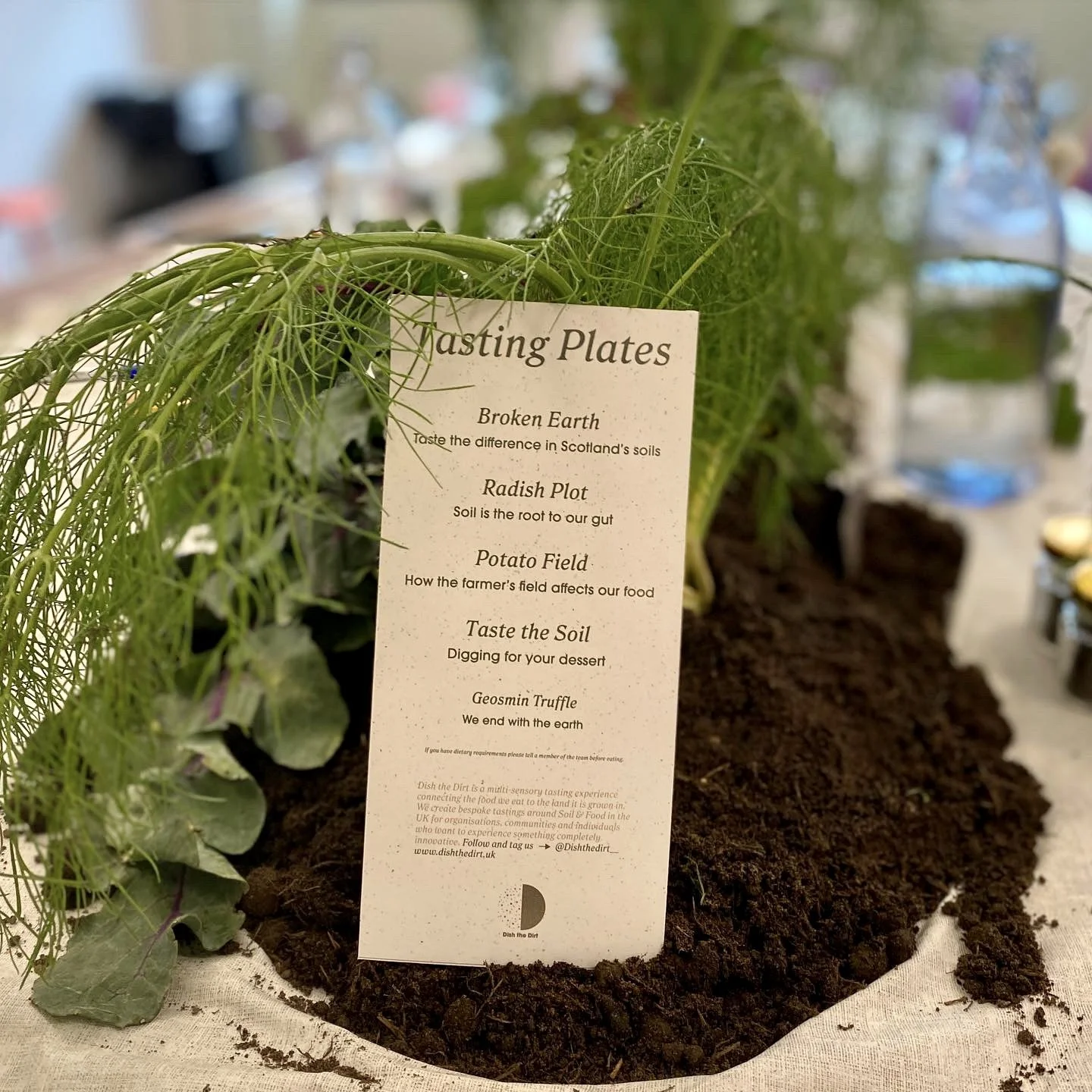
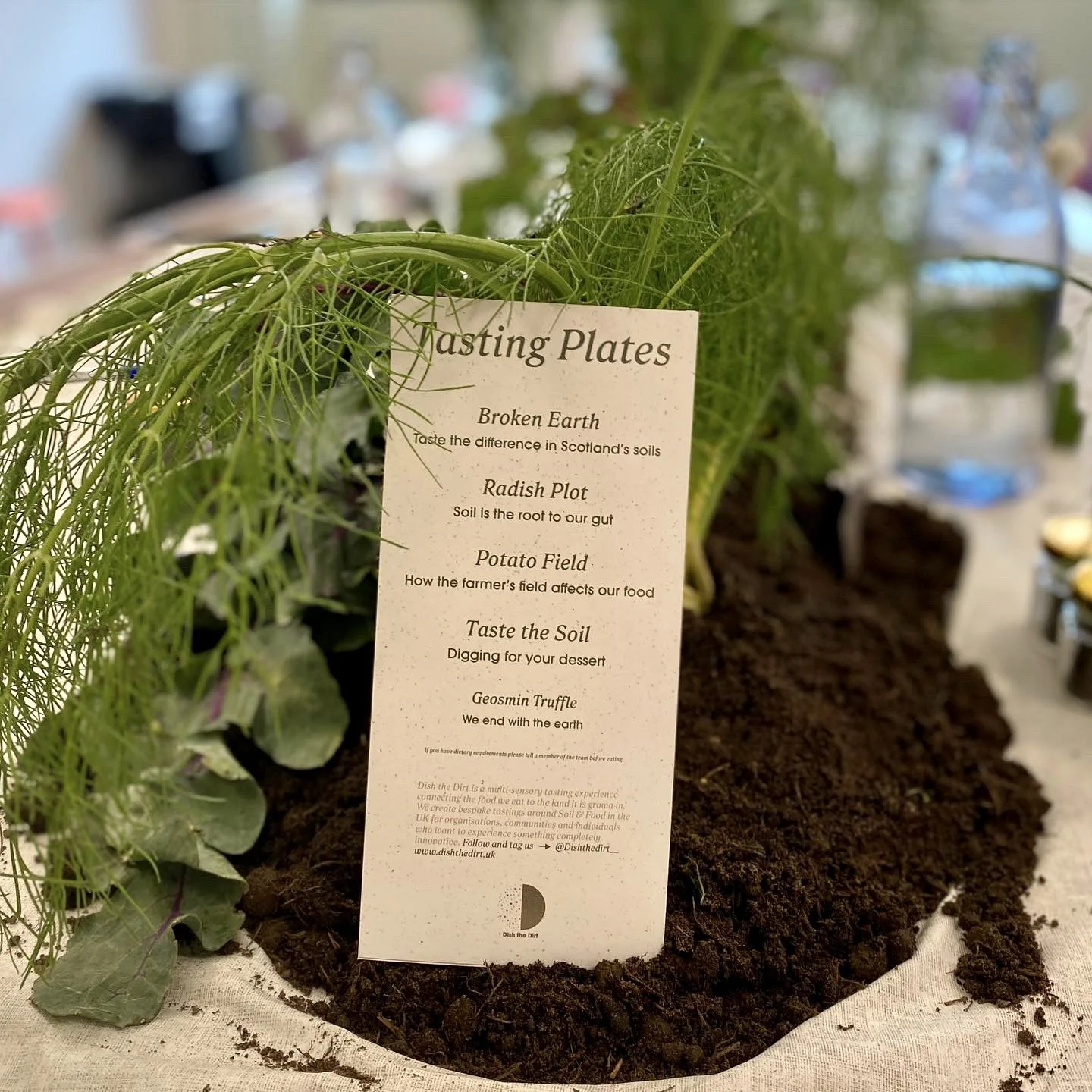
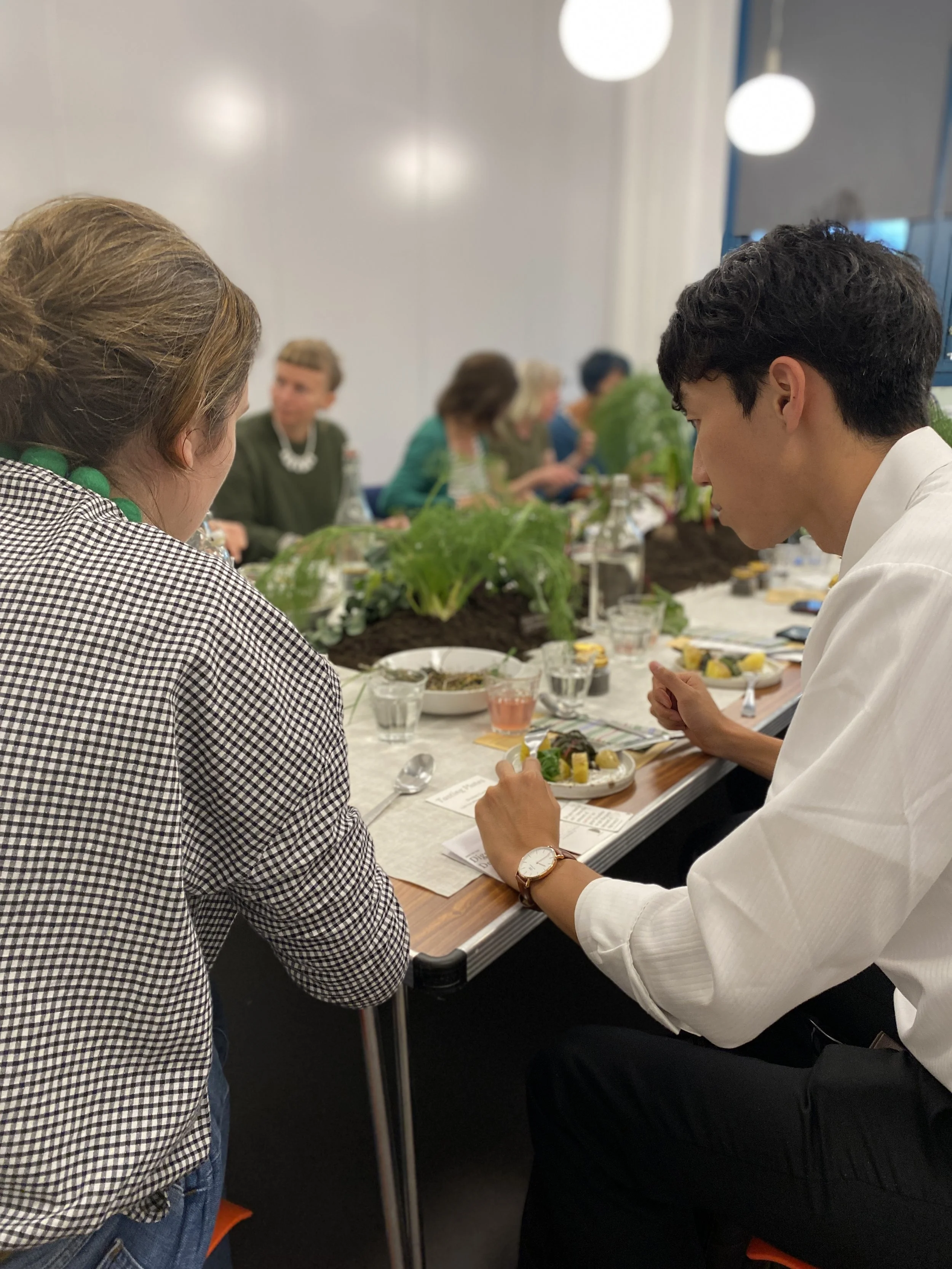
Dish the Dirt is an immersive dining experience that reconnects the food we eat with the land it comes from.
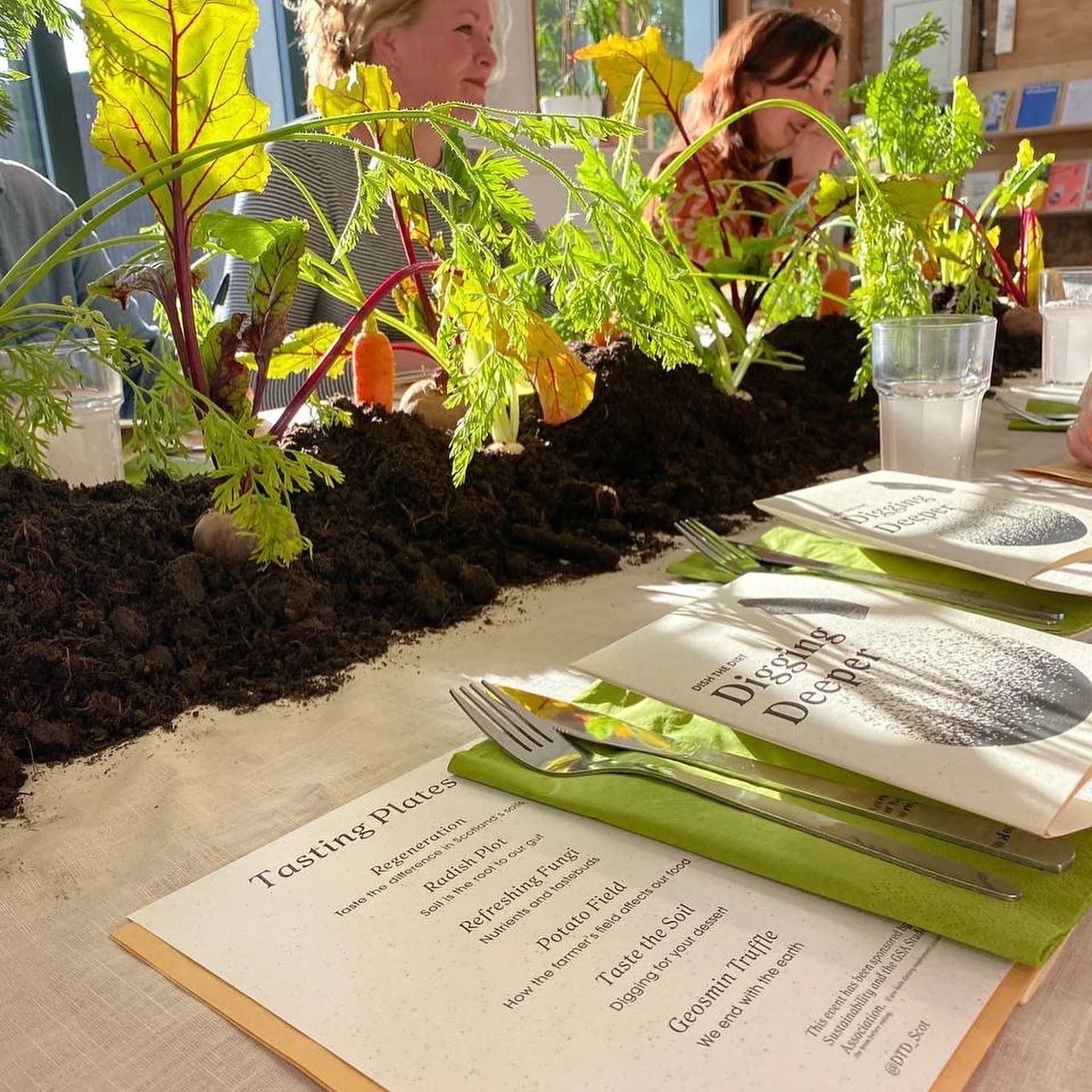
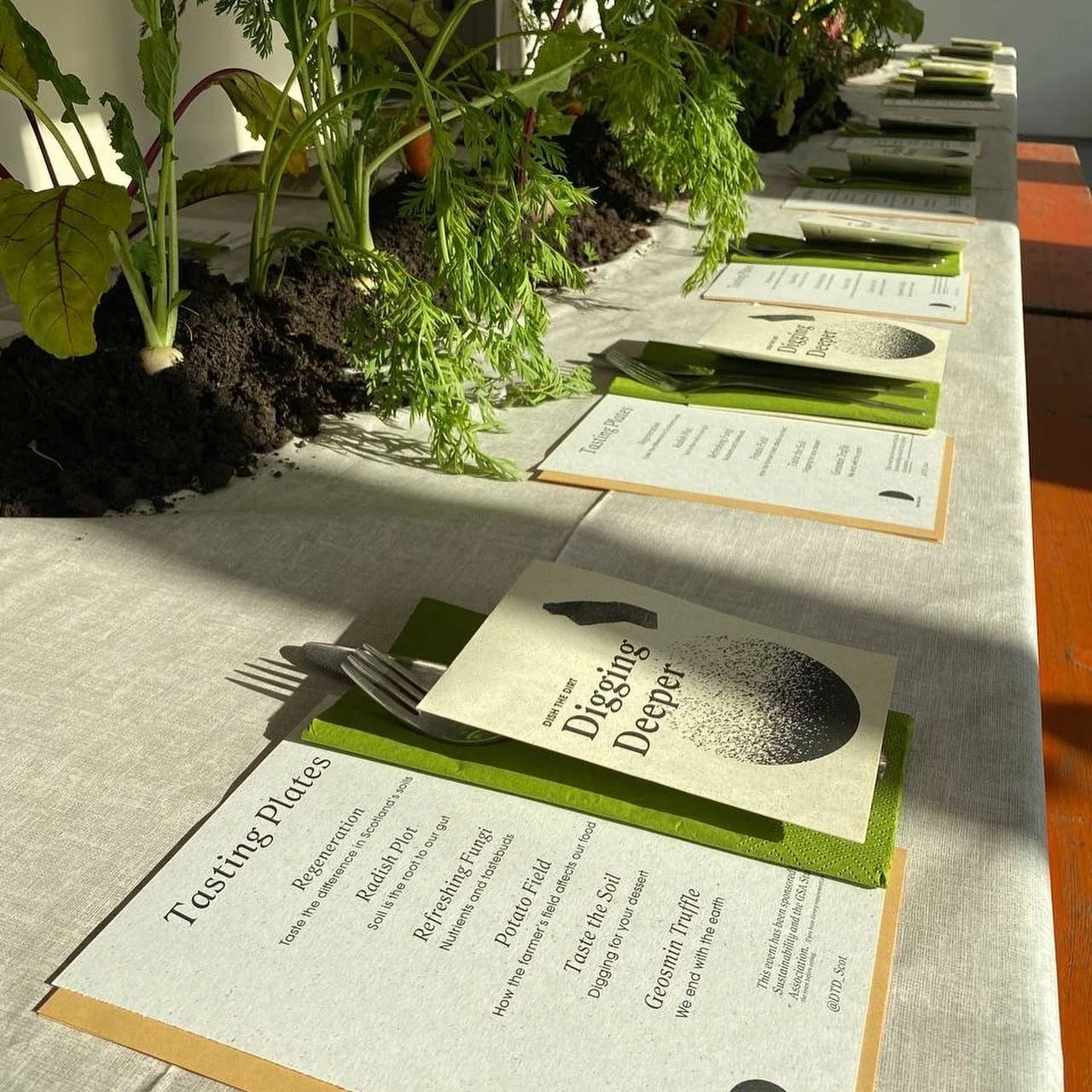
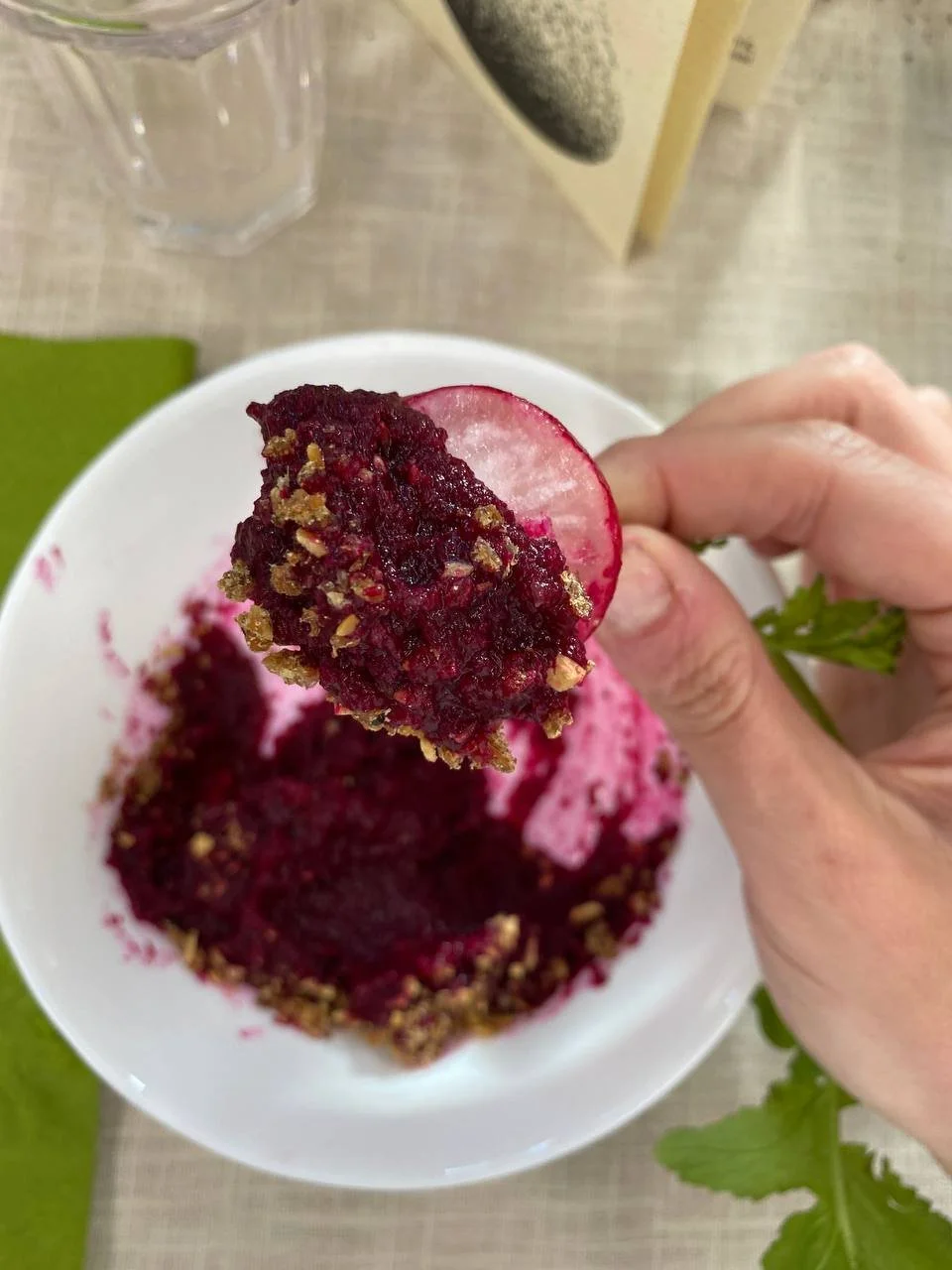
Through taste, scent, sound, storytelling and material design, diners are invited to experience soil not as an abstract environmental issue, but as something intimate, alive and deeply connected to everyday life. The project uses the table as a site of encounter, bringing food and soil side by side to create a more emotional, sensory understanding of the systems that sustain us.
Dish the Dirt has been delivered eight times, including internationally and as part of the World Congress of Soil Science, engaging a wide range of audiences through a format that is at once accessible, memorable and quietly transformative.
The challenge
Most people understand that food comes from the land, but few are given the chance to truly feel that relationship.
Research undertaken through the project, alongside Gabby Morris’ dissertation work, revealed that many people do not fully understand the complexity of the food system or how soil health is tied to both environmental and human wellbeing. At the same time, information-led approaches can often leave people feeling overwhelmed, guilty or disconnected.
Dish the Dirt was created in response to that gap. Rather than asking audiences to absorb more facts, it offers a different route in: subtle learning through the senses.
Our approach
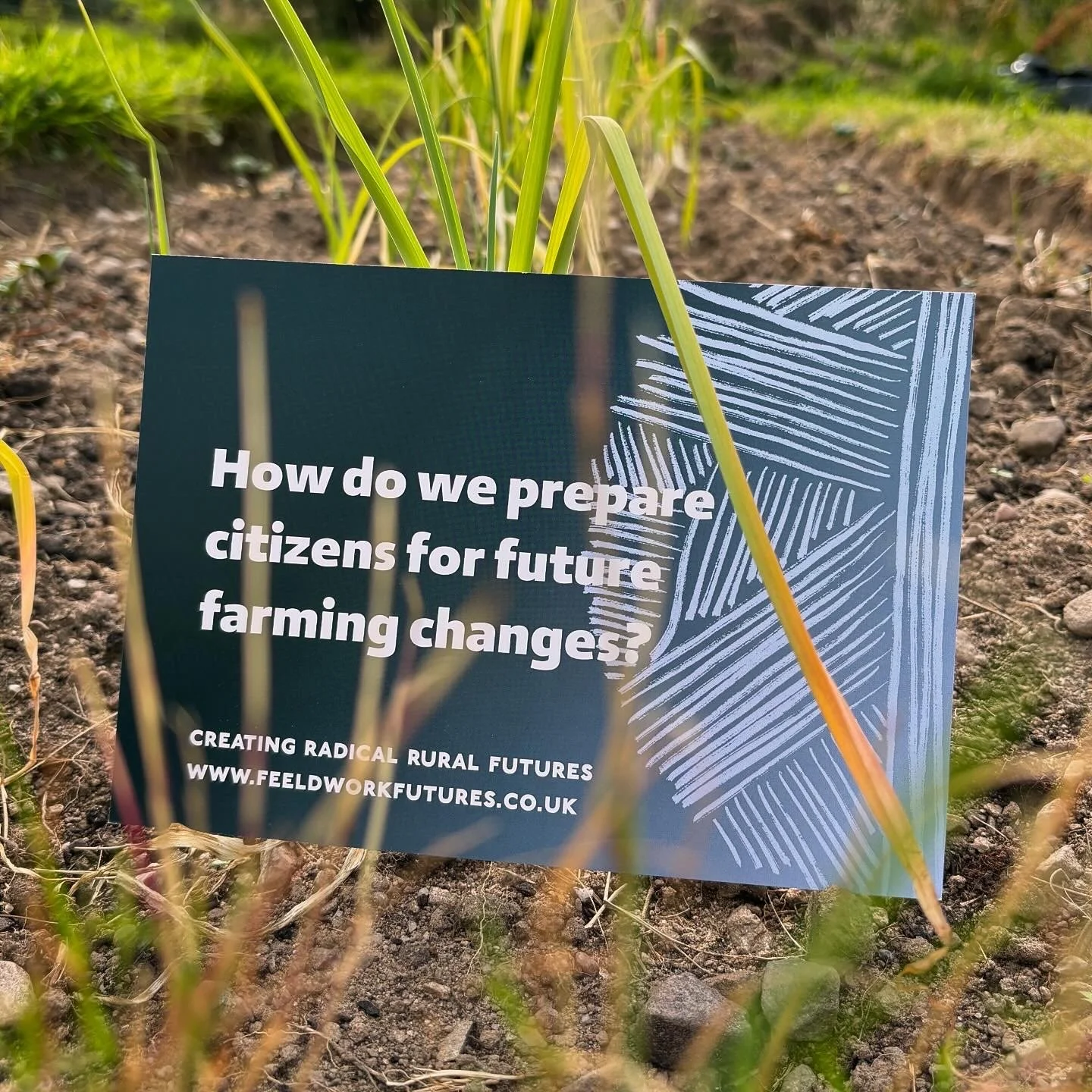
Dish the Dirt is an example of Feeldwork Futures’ approach to experiential design, using embodied, affective methods to make complex systems more tangible.
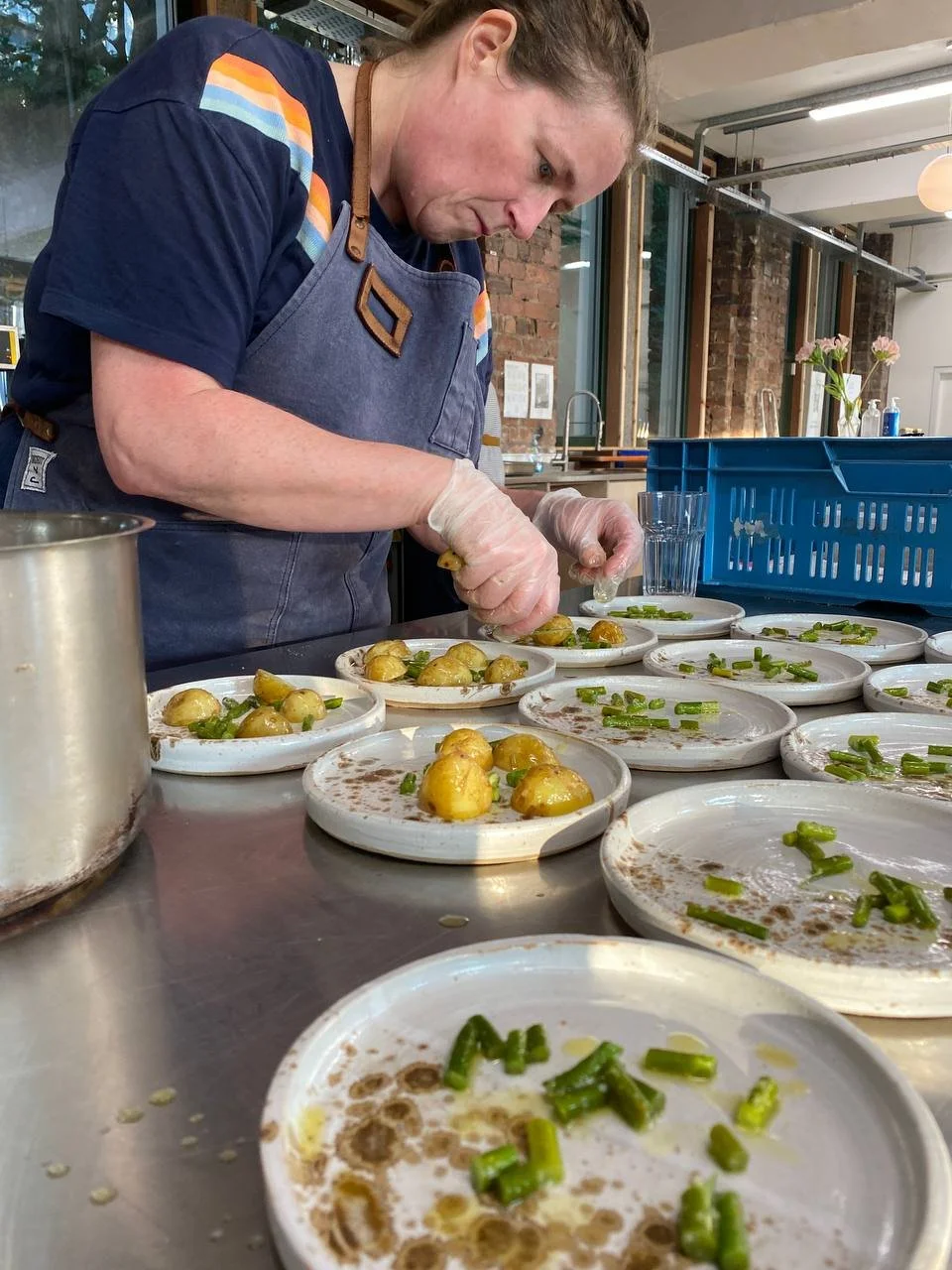
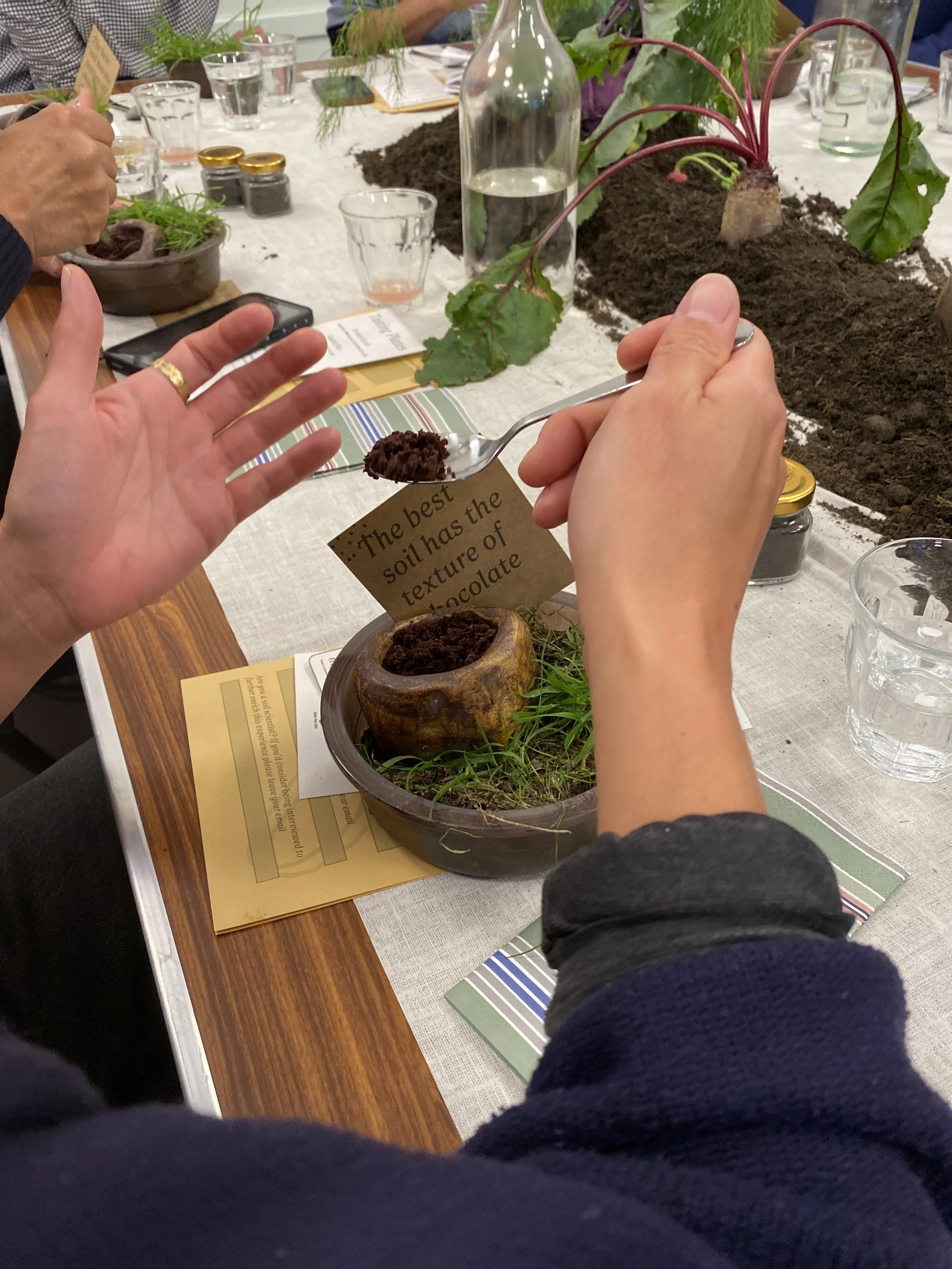
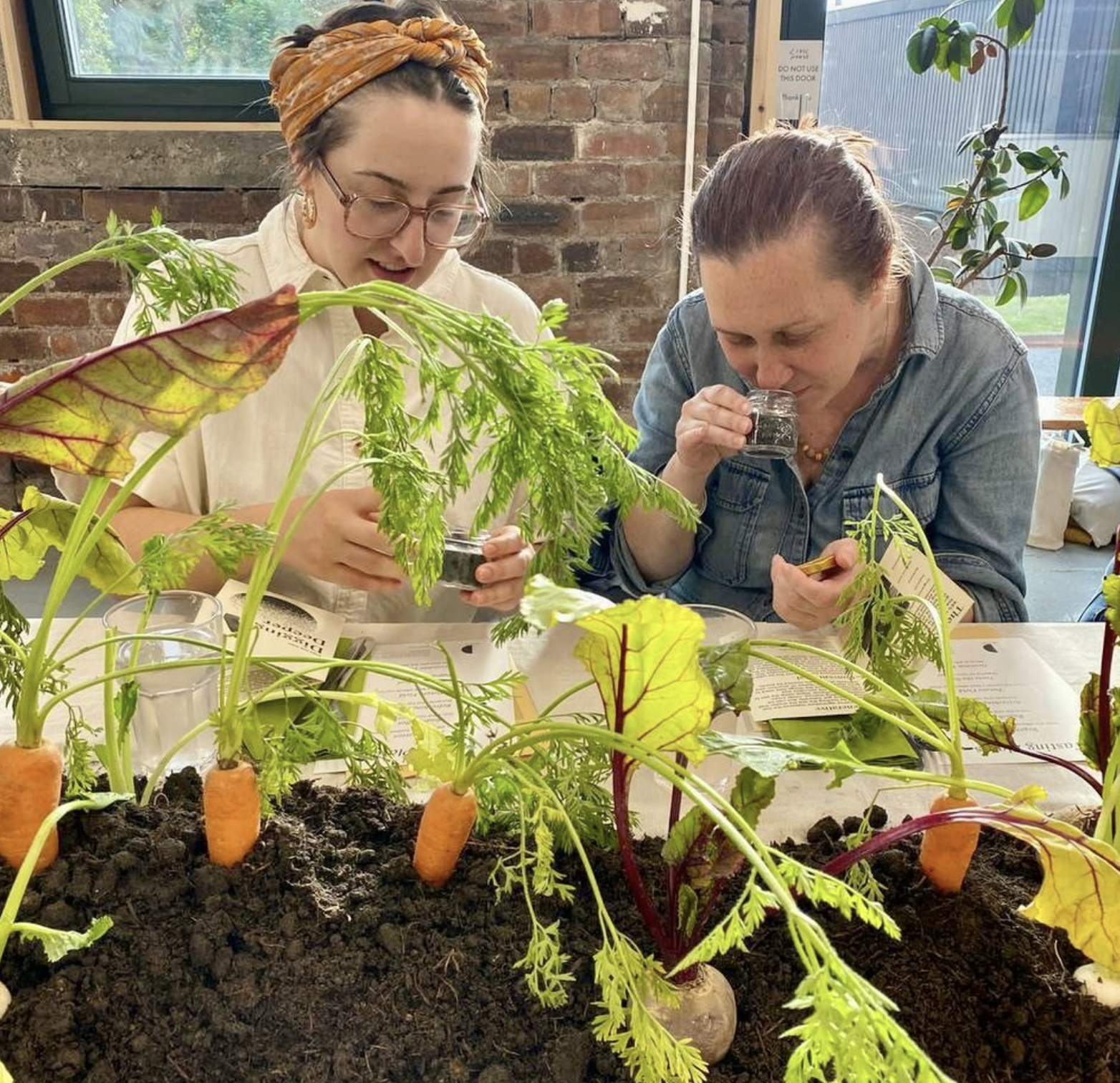
In the experience, diners taste foods grown in different places while being guided through layers of sound, storytelling, scent and material cues that connect them emotionally to the soils those foods came from. The experience is designed to shift perception through atmosphere and encounter rather than instruction alone.
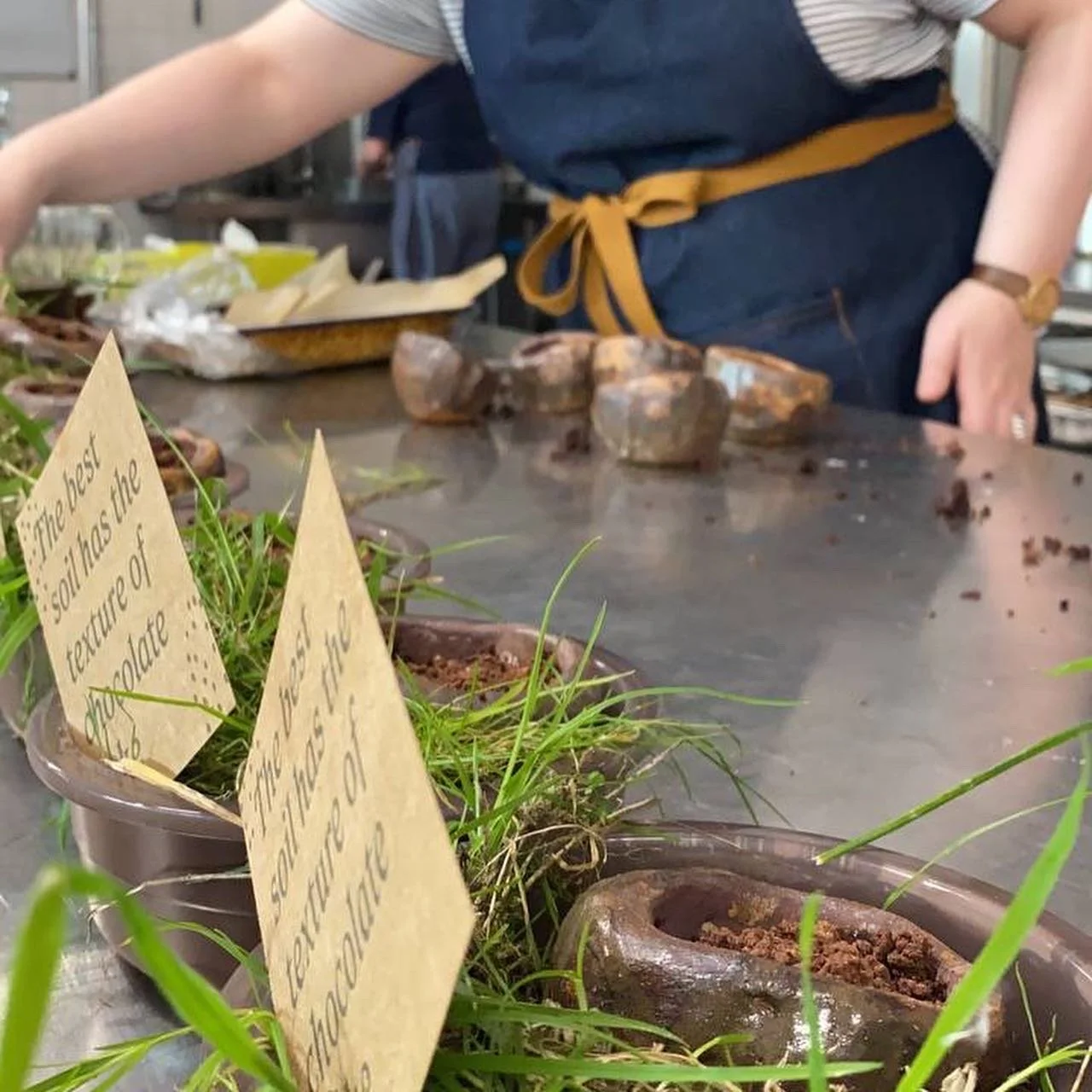
A key part of the project is its material language. Food and soil are presented side by side using bespoke handmade, earth-derived ceramics, designed to alter the act of eating and bring participants into closer contact with the textures, meanings and origins of what is on the table.
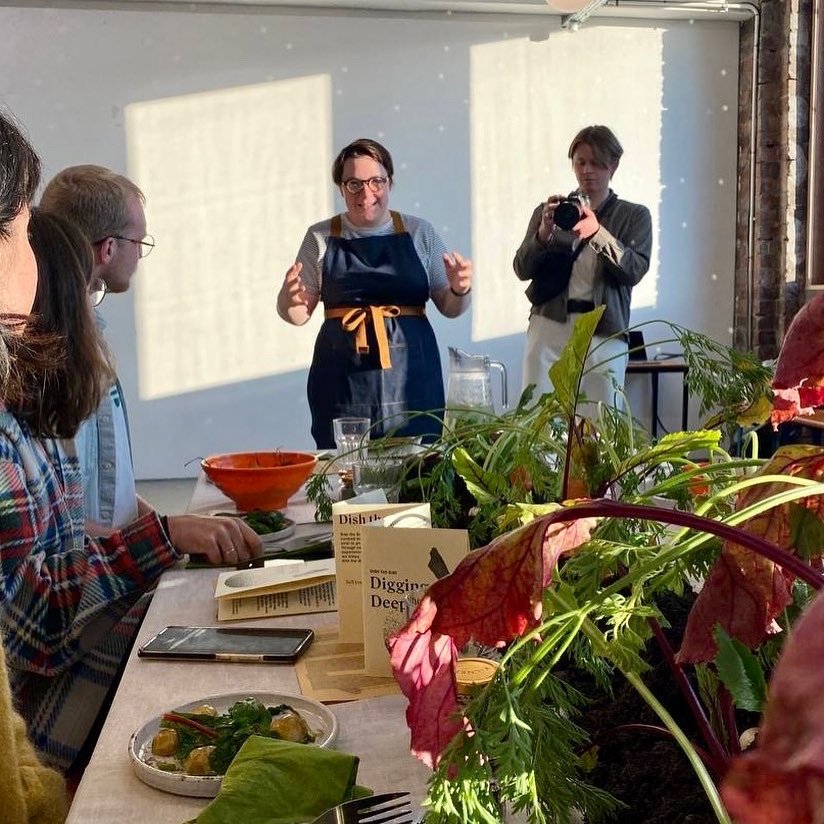
Dish the Dirt also creates space for conversation, bringing together producers, consumers, farmers, scientists and citizens around a shared experience. In doing so, it opens up new ways of talking about land, care, value and responsibility.
Why it matters
We are losing soil at an alarming rate, and much of the soil that remains is degraded, depleted and nutrient deficient.
Yet soil is rarely felt as part of daily life. It sits beneath the surface of public conversation, even though it underpins food, biodiversity, climate resilience and human health.
Dish the Dirt responds to this by making soil present, sensory and relational. It invites people to reconsider the value of food and land, and to understand protection not as an abstract duty, but as something grounded in everyday choices, appetites and connections.
IMPACT
Dish the Dirt has shown how immersive, sensory experiences can create lasting shifts in understanding.
Participants have described the experience as profound, surprising and transformative, often leaving with a changed relationship to food, land and their own role within the food system. The project has resonated not only with public audiences, but also with specialists, including soil scientists, by offering a new emotional framework for understanding knowledge they may already hold in technical terms.
Participant reflections
“I cannot explain how this event has changed my view on the food system and the way we engage with food. This was a profound immersive experience for me and I have decided to change the way I eat and cook because of it.”
— THEA BROWN“I came thinking this would be a good night out with some friends, I left thinking about how I needed to change the food I eat. Those carrots will stay with me for such a long time. What a brilliant experience!”
— JENNY“I never considered food before this event, I’m a soil scientist and I never connected food and soil. This event, this experience has made me connect with this concept in a way I never thought I would. Such a brilliant idea, such a brilliant experience.”
— JAMES, SOIL SCIENTIST